

What is The History of Tie?
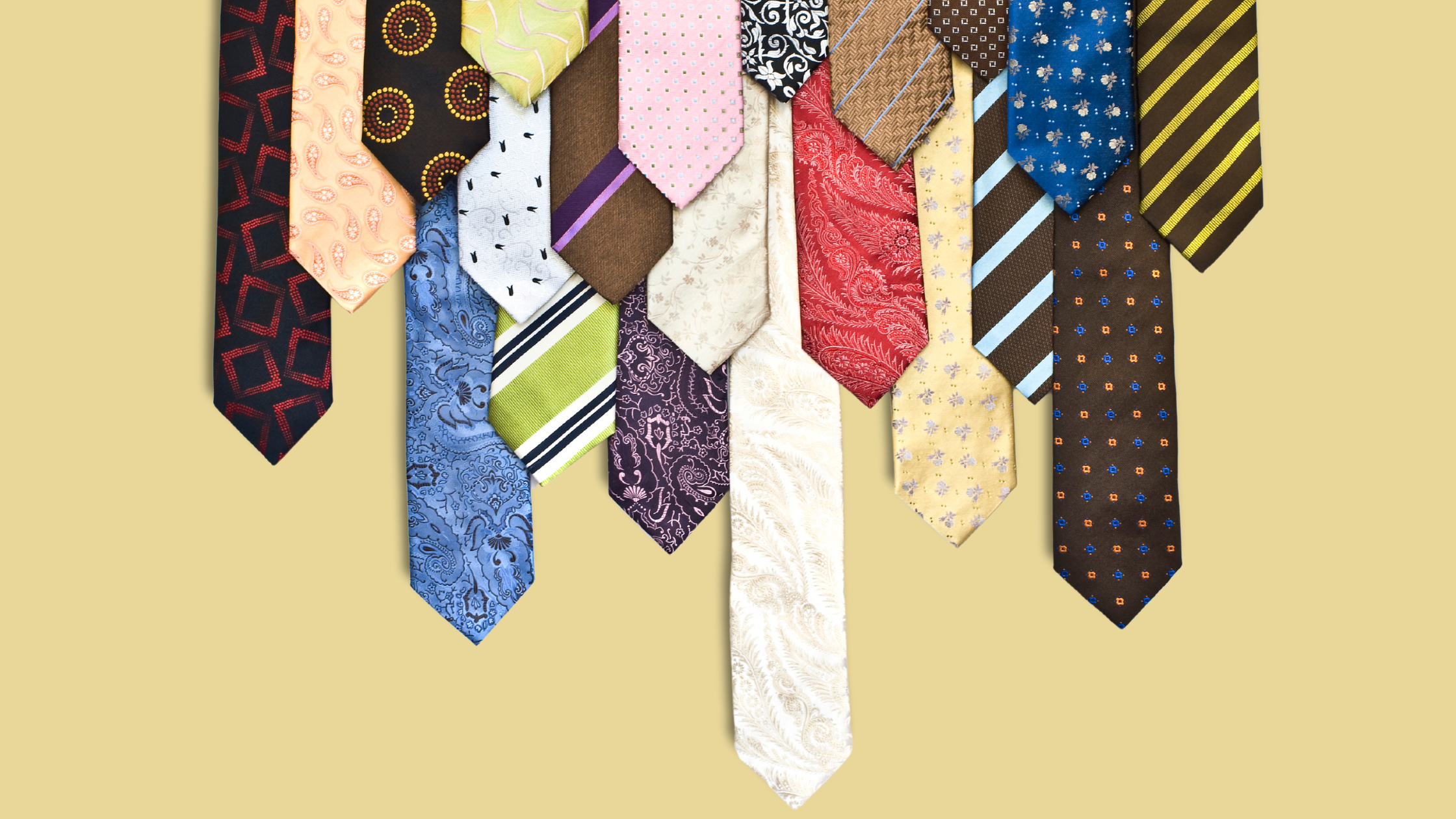
The tie has long been a staple of men’s fashion, evolving from its simple beginnings into a cornerstone of modern formal wear. Tracing the history of the necktie reveals how this accessory has become an essential part of a man’s wardrobe, from its early roots in ancient civilizations to its development as a symbol of sophistication and elegance.
1. Why do we tie a tie?
The origins of the tie date back to ancient civilizations, where cloth bands were worn around the neck by the Chinese and Romans. These early forms of the tie were functional, offering a way to fasten clothing or serve as a decorative element. However, they were not yet the recognizable fashion accessories we associate with modern suits today. The idea of a neck cloth or scarf continued throughout history, with ancient Chinese and Roman fashion incorporating these early styles.
2. Tie in 17th Century Europe
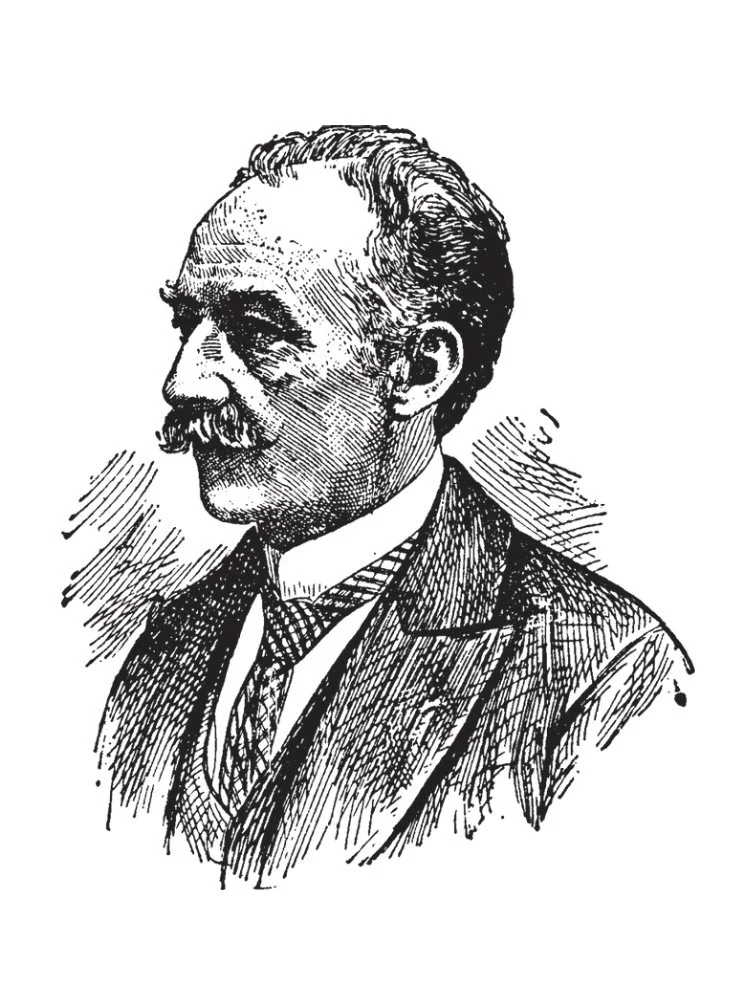
In the 17th century, ties became a popular fashion statement in Europe. The cravat, a cloth band worn around the neck, emerged as a distinctive symbol of the elite in France and England. This style was influenced by military uniforms and began to evolve into a more refined, structured accessory. During this period, men’s neckties were often elaborate, made from fine fabrics and tied in intricate ways, showcasing personal style and status.
3. The Birth of the Modern Necktie in the 19th Century
By the 19th century, the modern necktie began to take shape. The once-flowing cravat transformed into the more structured necktie we recognize today, with narrower designs and simpler knots becoming popular. The necktie became a symbol of refined masculinity and was essential for any man’s formal wardrobe. This period marked the first true shift towards the men's fashion accessory we wear today.
4. The 20th Century
The 20th century brought about waves of innovation in tie styles, from skinny ties to wide ties. The post-war era saw the introduction of bold patterns, and silk ties became the go-to fabric for their luxurious feel and sheen. By the mid-century, men’s ties featured a range of designs, from striped to polka-dots, and from solid to floral patterns. Over the decades, men’s ties continued to evolve, incorporating new fabrics and styles, adapting to each era’s fashion trends.
5. The Tie Today
Today, the tie remains an essential part of formal wear and a symbol of sophistication. While it has evolved over the years, the tie continues to adapt to modern tastes. With the rise of business casual attire, ties can be worn in various ways, from classic silk ties for board meetings to knitted or wool ties for a more relaxed look. Despite the changes, the tie remains a timeless symbol of elegance and personal style in men's fashion.
Conclusion: A Timeless Symbol of Elegance
The history of the tie is a testament to its enduring appeal. From ancient cloth bands to modern, fashionable neckties, the tie has withstood the test of time and remains an essential accessory in any man’s wardrobe. Whether you’re attending a formal event, a business meeting, or looking for a stylish way to elevate your outfit, the tie continues to be a versatile, timeless accessory.
